
Introduction: Why Sexual Consent Is So Important
Consent is one of the most important parts of healthy intimacy, but a lot of people don’t know what it means.
Some people think that saying “yes” or “no” is enough to give consent, but that’s not true.
It’s about freedom, trust, respect, and comfort for both people.
You can’t have healthy intimacy without clear and enthusiastic consent.
Real connection only happens when both people feel safe, respected, and valued.
Is it love? Yes.
Do you need it? No doubt about it.
This article talks about what consent really means, why it’s important, how to practice it, and how it can make relationships better.
What does it really mean to say yes?
Consent means agreeing to be close to someone without feeling scared, guilty, or pressured.
There has to be consent:
- Not required
- No manipulation, pressure, guilt, or force
- Clear
- A clear yes, not silence or doubt
- Informed: The person knows what they are agreeing to
- Reversible: They can change their mind at any time
- Still going: Works at every step, not just once
- Excited: Both feel good and fit well
Consent isn’t just something you do once; it’s something you do all the time.
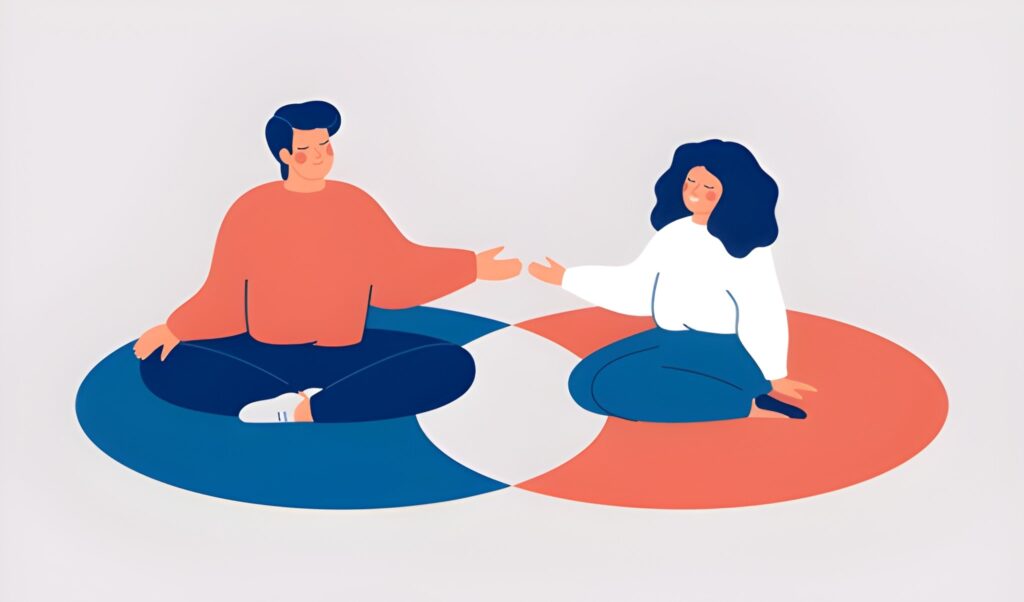
Why It’s Important to Get Permission in Healthy Relationships
- Builds Trust: People trust you more when you respect their limits and comfort. Trust and emotional closeness grow.
- Helps you feel safe emotionally — People shouldn’t be scared, stressed, or uncomfortable. Consent makes sure that both partners feel safe and respected.
- Strengthens communication — You need to ask, listen, and understand how someone feels in order to get healthy consent. This helps you talk to each other well, which is important for relationships that last.
- Stops the Confusion — Clear consent leaves no room for doubt. You don’t “guess” that the other person is at ease.
- Shows maturity and respect — Being able to respect other people’s boundaries is a sign of maturity and emotional intelligence. It shows that love, not just lust, is what the relationship is built on.
Common Misunderstandings About Consent: Truth and Fiction
| Misunderstanding | Truth |
| “If they didn’t say no, it’s yes” | silence or hesitation does NOT mean yes |
| “Only words matter” | body language also matters |
| “Consent kills the mood” | consent can change at any time |
Consent makes people feel more at ease and emotionally connected.
It’s not strange to ask for permission. It shows that you care, respect, and are sure of yourself.
How to Get Good Consent
Say things like:
- “Are you okay?”
- “Is this good for you?”
- “Do you want to slow down or stop?”
Pay attention to how people move and talk.
Signs that someone is uncomfortable include:
- silence
- being anxious
- leaving
- not responding
If you see these, stop and talk.
Don’t ever push — You can’t get someone to agree by making them feel guilty, manipulating their emotions, or pushing them.
Respect “No” and “Not now.”
A partner who cares about you won’t fight or push you when you’re not ready.
Consent isn’t just about being close to someone physically; it’s also about respecting their feelings.
It includes:
- getting pictures of yourself
- talking about private matters
- letting someone else see private information
- hugging or touching
When there are healthy limits, love is good.

Why Saying Yes Makes Intimacy Better
When both partners feel safe and respected, closeness grows:
- More connected
- More important
- Not as stressful
- Deeper in emotions
Trust comes from consent, and trust makes closeness feel right.
When There Is No Permission
What it looks like to not give consent:
- Push
- Manipulation
- Fear
- Be quiet
- Not feeling well
- Pushing emotionally
People don’t agree when they think they “have to” do something.
Important Points
- Consent means that both people agree, are comfortable, and respect each other.
- Consent must be clear, enthusiastic, and ongoing.
- You can change your mind at any time.
- Healthy consent builds trust, safety, and a strong emotional bond.
- Being respectful of other people’s space shows that you care about them and are grown up.
Consent is more than just safety.
It’s love in action.